_画板-1-e1756203340911.webp)
Introduction
Furniture hardware is the backbone of any furniture design, providing structural integrity, functionality, and aesthetic appeal. Selecting the right hardware is crucial for manufacturers, designers, and distributors who aim to deliver high-quality, durable, and visually appealing products. With a wide range of options including slides, connectors, hinges, handles, and storage systems, making the right choice can be challenging. This guide outlines key considerations for selecting the ideal furniture hardware, ensuring a balance between functionality, design, and cost-effectiveness.
1. Assess the Furniture Type and Usage
The first step in choosing the right hardware is understanding the type of furniture and how it will be used.
A. Residential Furniture
Residential furniture such as wardrobes, cabinets, and kitchen units requires hardware that combines durability with aesthetics. For example, soft-close drawer slides and invisible hinges enhance user experience while maintaining a clean design.
B. Commercial Furniture
Office desks, filing cabinets, and storage units in commercial settings demand robust hardware capable of withstanding frequent use. Heavy-duty slides, high-load connectors, and durable handles are essential for longevity and safety.
C. Modular and DIY Furniture
For modular furniture systems, flexibility and ease of assembly are critical. Adjustable shelf supports, invisible connectors, and modular brackets allow customers to reconfigure furniture without compromising structural integrity.
2. Material and Durability Considerations
Material selection directly affects performance, longevity, and visual appeal.
A. Common Hardware Materials
-
Steel – Offers strength and durability, ideal for load-bearing applications.
-
Aluminum – Lightweight, corrosion-resistant, suitable for modern furniture designs.
-
Zinc Alloy – Excellent for decorative hardware due to its malleability and finish options.
-
Plastic & Nylon – Used for non-load-bearing components, cost-effective and versatile.
B. Load and Wear Requirements
Consider the weight and usage frequency. Drawers holding heavy items require high-load slides, while decorative cabinets may only need standard mechanisms. Choosing hardware rated for the expected load prevents premature failure and enhances safety.
3. Functional Requirements
Understanding the required functionality ensures the hardware supports user needs.
A. Drawer and Cabinet Slides
-
Soft-Close – Prevents slamming, reduces wear, and enhances comfort.
-
Push-to-Open – Eliminates handles for a modern, clean look.
-
Full-Extension Slides – Maximizes access to drawer contents.
B. Hinges and Door Mechanisms
-
Concealed Hinges – Popular for modern furniture, maintain a sleek appearance.
-
Adjustable Hinges – Allow fine-tuning during installation for perfect alignment.
-
Lift and Flap Door Hardware – Ideal for overhead cabinets or multifunctional storage.
C. Storage and Functional Accessories
Pull-out organizers, corner carousels, and swing-out racks improve usability. Selecting hardware with smooth operation, anti-slip features, and durability is key for long-term satisfaction.
4. Aesthetic Considerations
Furniture hardware contributes significantly to the overall design.
A. Finishes and Colors
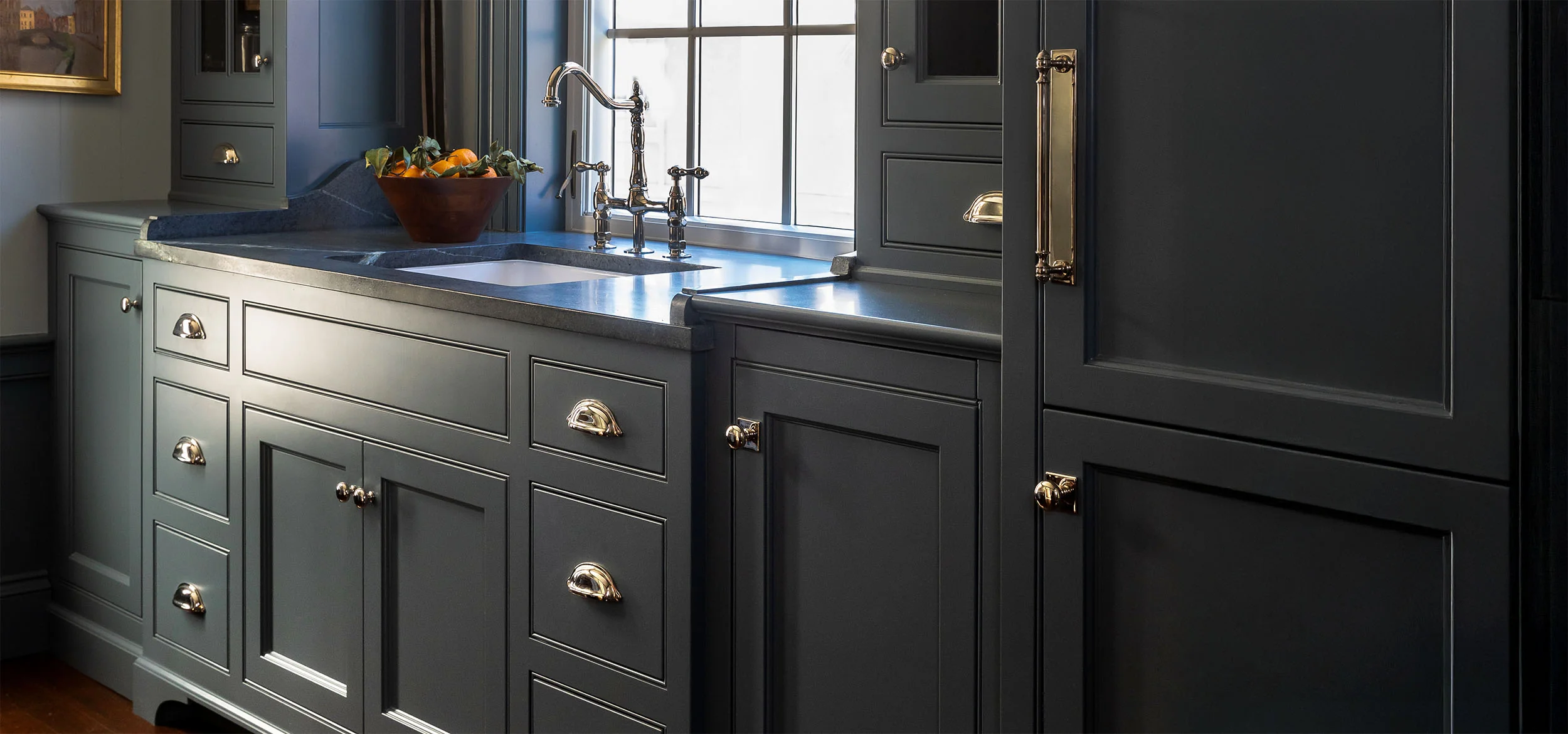
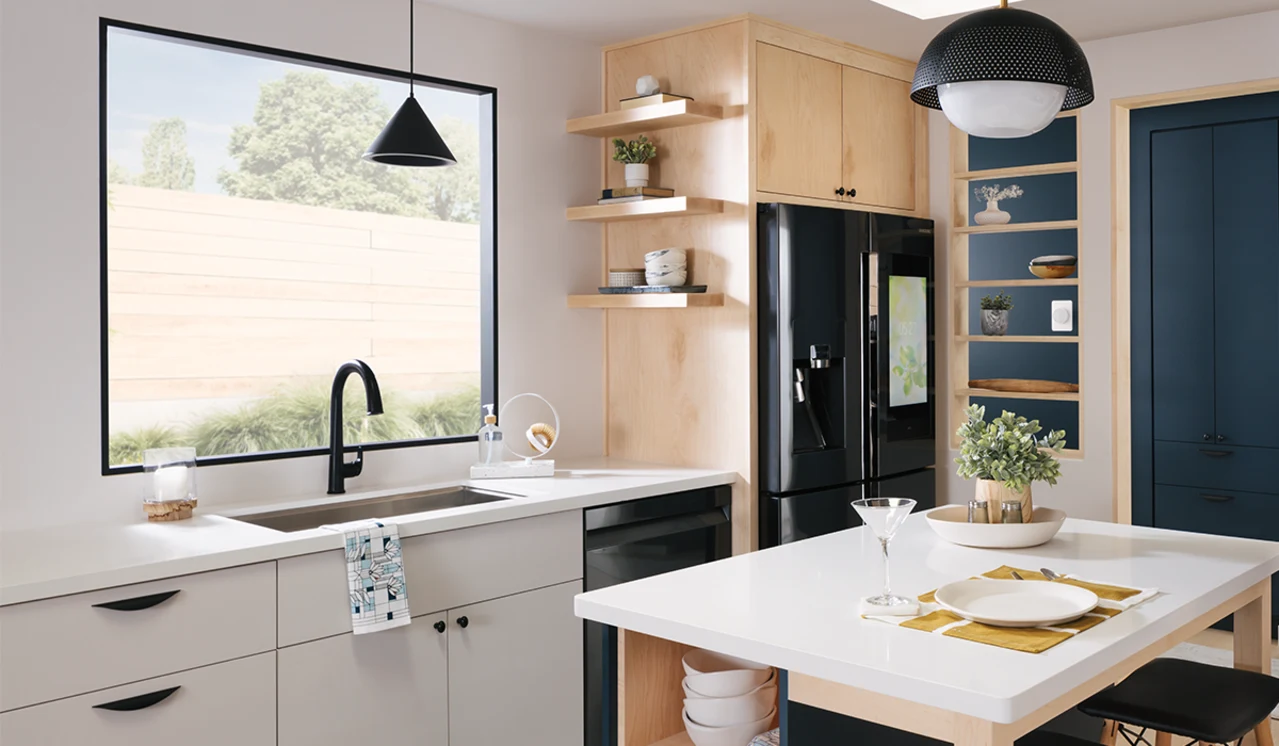
Popular finishes in 2025 include matte black, brushed nickel, antique bronze, and chrome. Matching the hardware finish with the furniture style ensures cohesion and enhances visual appeal.
B. Decorative Elements
Handles, knobs, and decorative brackets should complement both modern and traditional furniture styles. Customizable options allow brands to differentiate their products in competitive markets.
5. Ease of Installation and Maintenance
Efficient installation saves time and reduces labor costs, while easy maintenance enhances customer satisfaction.
-
Pre-assembled Components – Reduce installation time and errors.
-
Tool-Free Adjustments – Adjustable hinges and connectors allow quick alignment.
-
Low-Maintenance Materials – Stainless steel, coated metals, and durable plastics resist corrosion and wear.
6. Cost and Value Considerations
Balancing quality and cost is essential. High-quality hardware may have higher upfront costs but reduces returns, maintenance, and warranty claims. Evaluate price-per-function, material longevity, and compatibility with other components to ensure overall project cost-effectiveness.
7. Compliance and Safety Standards
Selecting hardware that meets international quality standards (ISO, CE, ANSI, etc.) guarantees safety, reliability, and market acceptance. Certified hardware minimizes risk and enhances brand credibility.
8. Customization and Innovation
Modern furniture demands innovative solutions:
-
Tailored Hardware Solutions – Custom sizes, finishes, and functionality to match specific furniture designs.
-
Smart Hardware Integration – LED lighting, electronic locks, and pop-up power outlets embedded into furniture enhance usability.
-
Modular Systems – Allow flexibility for consumers to adjust and expand furniture configurations.
Conclusion
Choosing the right furniture hardware is a critical decision that affects functionality, aesthetics, durability, and customer satisfaction. By carefully assessing furniture type, materials, functionality, design, installation ease, cost, and compliance, manufacturers and designers can select hardware that meets modern standards and consumer expectations.
Partnering with experienced suppliers like CHAMOR Hardware ensures access to high-quality, cost-effective, and customizable hardware solutions. With a broad product range covering universal, functional, storage, and decorative hardware systems, businesses can deliver furniture that is not only durable and efficient but also stylish and market-ready.
Making informed hardware choices today lays the foundation for long-lasting, high-performing furniture that delights end-users and strengthens brand reputation.