_画板-1-e1756203340911.webp)
Introduction
The furniture industry has been experiencing a significant transformation in recent years, driven by technological innovation, evolving consumer preferences, and increasing demand for functional and aesthetically pleasing living and working spaces. As furniture becomes more complex and multifunctional, furniture hardware—the essential components that connect, support, and enhance furniture—has gained unprecedented importance. In 2025, manufacturers, designers, and distributors are focusing on integrating durability, style, and smart functionality into their hardware offerings. This article explores the latest trends in furniture hardware, highlighting innovations, decorative trends, smart solutions, sustainable materials, and global market insights.
Functional Hardware Innovations
Functional hardware remains the backbone of furniture, providing stability, support, and enhanced usability. Recent trends focus on improving efficiency, adaptability, and ergonomic design.
1. Advanced Slide Systems
High-quality drawer slides, including soft-close and push-to-open mechanisms, are increasingly demanded for kitchen cabinets, wardrobes, and office furniture. Innovations in ball-bearing slides and telescopic mechanisms ensure smoother operation and higher load-bearing capacity. Modular slide systems are also gaining popularity, allowing manufacturers to customize length and weight capacity based on furniture type.
2. Multi-Purpose Connectors and Hangers
Modern furniture often requires flexibility, as modular and DIY furniture becomes more common. Invisible connectors, adjustable shelf supports, and flexible hangers enable furniture to adapt to different layouts without compromising structural integrity. These components are designed for quick assembly, minimal tools, and repeated reassembly, appealing to both consumers and manufacturers.
3. Space-Saving Storage Hardware
Functional storage accessories such as pull-out baskets, corner carousels, and sliding organizers are becoming standard in kitchens, wardrobes, and office furniture. These solutions optimize space utilization while maintaining ease of access. Innovative designs now incorporate soft-close mechanisms, anti-slip coatings, and modular adjustability, enhancing the overall user experience.
Decorative Hardware Trends
While functionality is critical, aesthetics drive consumer choice. Decorative hardware trends in 2025 emphasize style, finish variety, and user-centric design.
1. Minimalist and Modern Styles
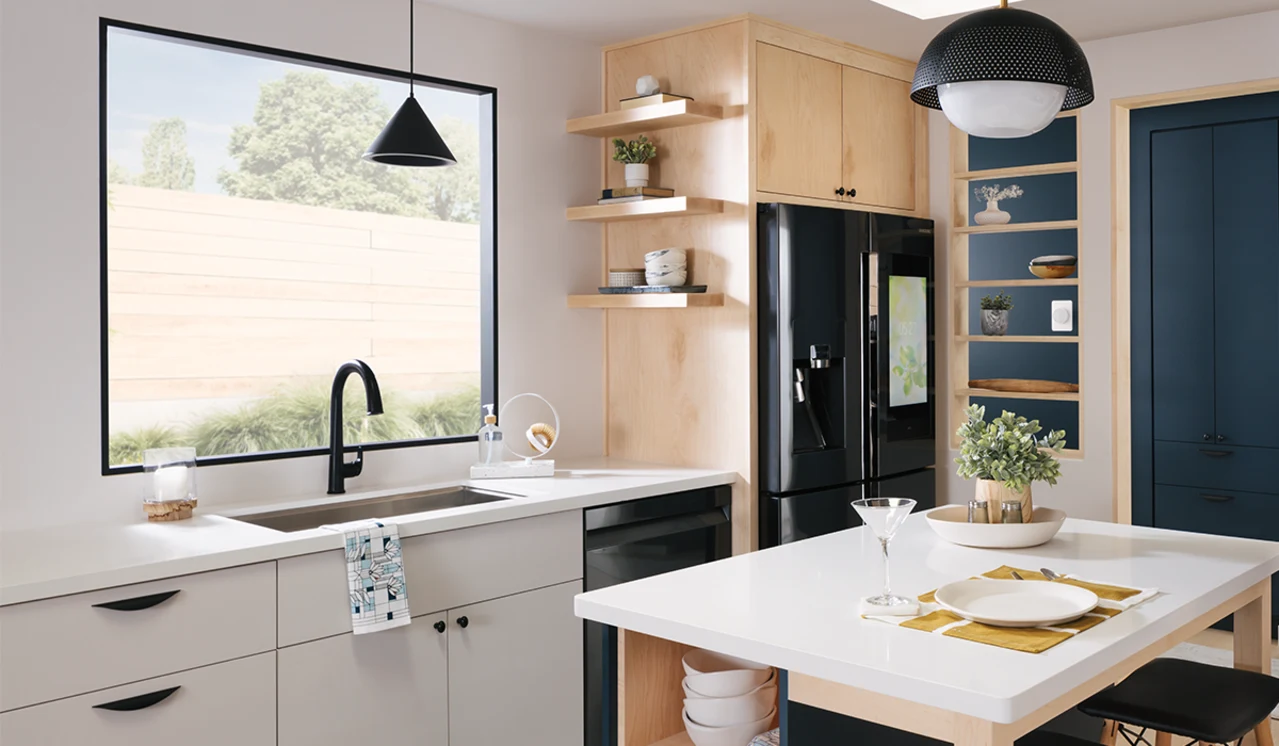
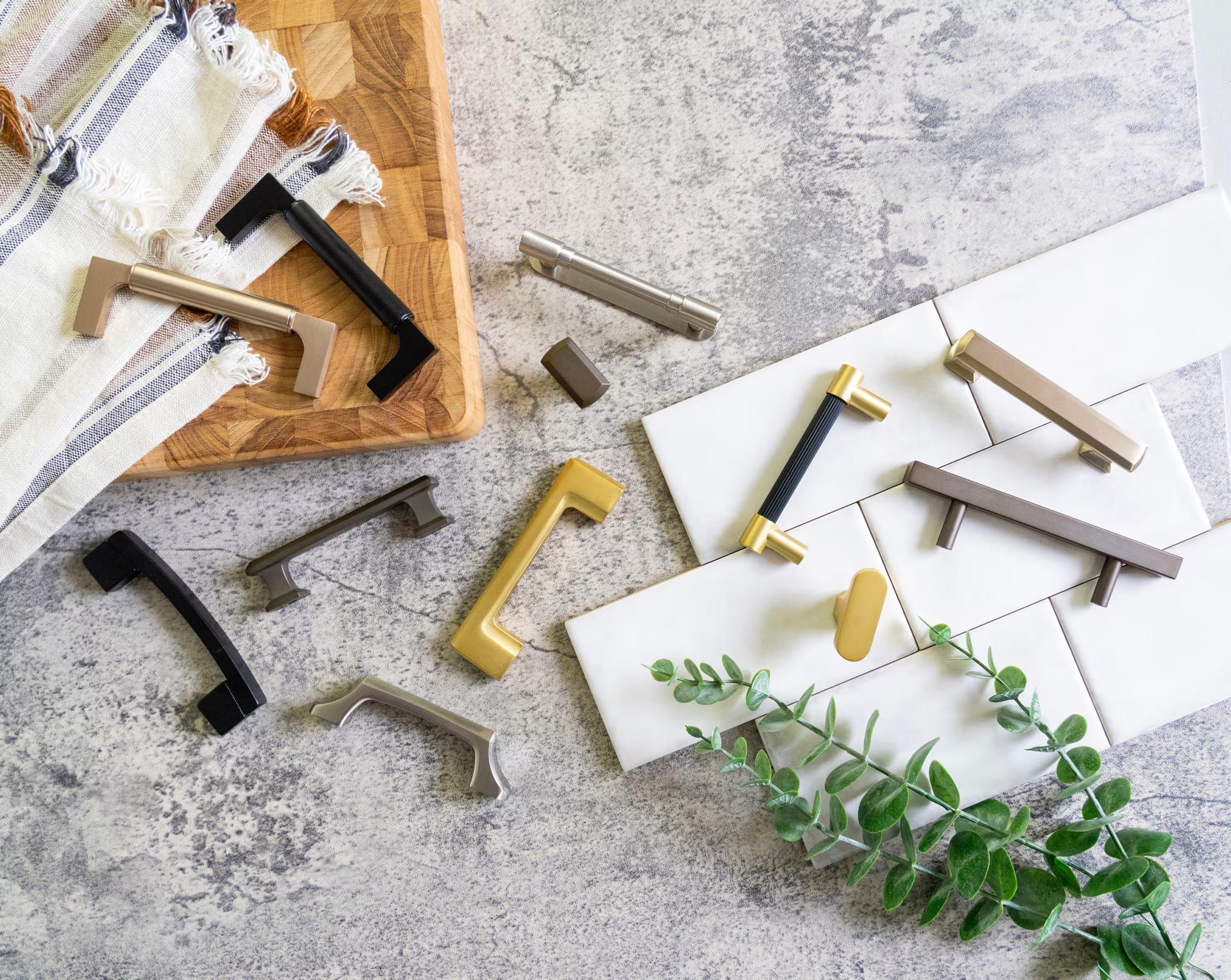
Consumers increasingly prefer sleek, minimalist designs with clean lines and hidden fasteners. Handles and knobs in matte black, brushed nickel, or muted metallic finishes are particularly popular for modern interiors.
2. Vintage and Industrial Elements
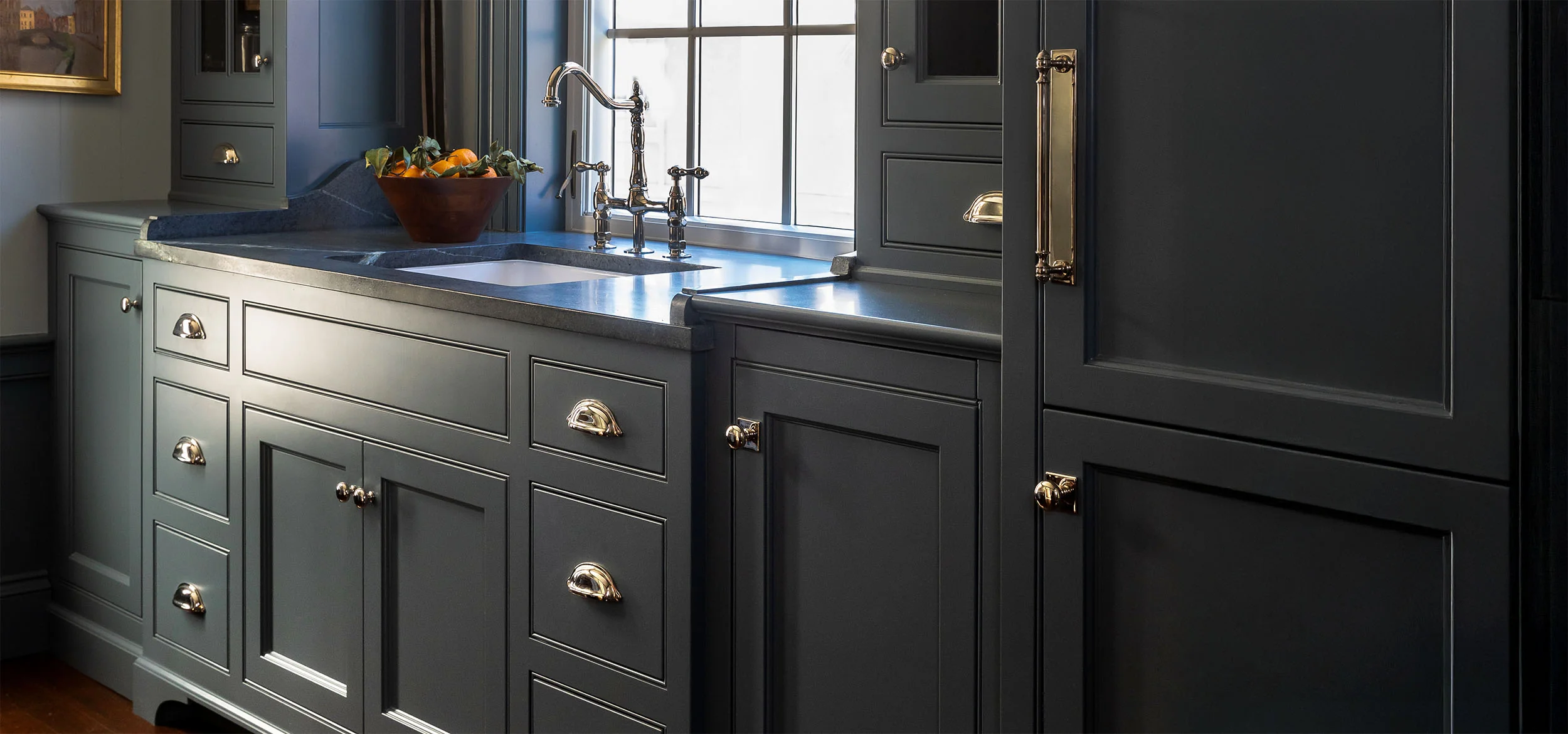
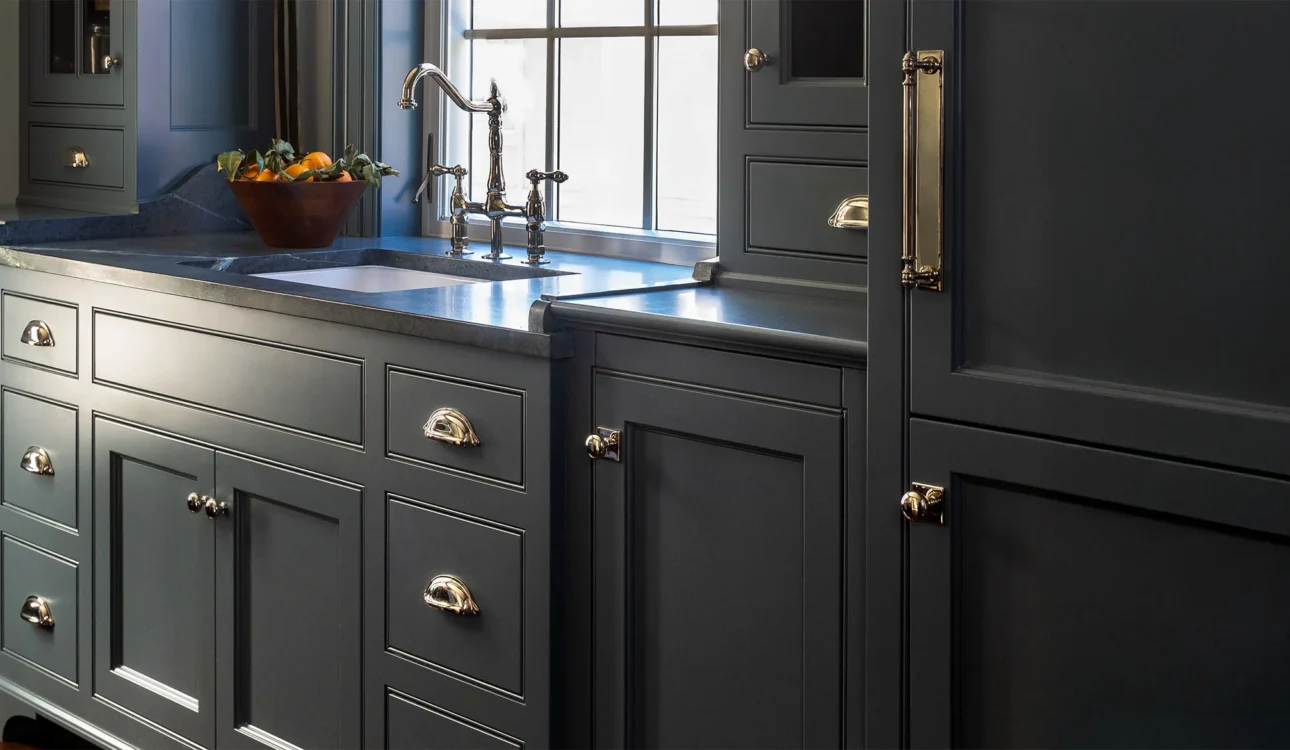
For luxury and boutique furniture, vintage-style handles, exposed screws, and industrial accents create a distinct personality. Designers are combining metal finishes with wood, glass, or ceramic components to achieve a balance of sophistication and warmth.
3. Customizable Decorative Hardware
Customization is becoming a key differentiator. Manufacturers offer tailored finishes, engraved logos, and unique handle shapes, enabling furniture brands to maintain a distinctive style while meeting global consumer expectations.
Smart and Integrated Hardware
The integration of technology into furniture hardware is one of the most significant trends in 2025. Smart furniture hardware enhances functionality, convenience, and connectivity.
1. Motion-Sensor Lighting
LED cabinet lighting, under-shelf illumination, and wardrobe lights with motion sensors are increasingly integrated into furniture. These systems provide energy efficiency, safety, and modern aesthetics.
2. Smart Locks and Access Solutions
Electronic locks for drawers, cabinets, and doors are gaining traction in both residential and commercial furniture. Features like keyless entry, biometric authentication, and remote control are becoming standard in high-end and office furniture solutions.
3. Integrated Charging and Connectivity
Pop-up power sockets, USB charging ports, and cable management systems are being embedded in desks, kitchen islands, and entertainment units. Furniture hardware now supports technology integration without compromising design or ergonomics.
Sustainable Materials and Eco-Friendly Practices
Sustainability is not just a trend but a requirement for global markets. Furniture hardware manufacturers are adopting eco-friendly practices and materials.
1. Recycled and Durable Materials
Stainless steel, aluminum, and zinc alloys sourced from recycled materials are widely used. These materials maintain durability and aesthetic quality while reducing environmental impact.
2. Low-VOC Coatings and Finishes
Finishes that minimize volatile organic compounds (VOCs) contribute to healthier indoor environments. Powder coating and water-based finishes are becoming industry standards for eco-conscious consumers.
3. Lifecycle and Repairability
Designing hardware for long lifespan and easy repair reduces waste and supports circular economy initiatives. Modular and replaceable components are increasingly incorporated into furniture designs.
Market Insights and Global Demand
The global furniture hardware market is projected to grow steadily in 2025, driven by:
-
Rising demand for modular and multifunctional furniture in urban living spaces.
-
Expansion of e-commerce and DIY furniture that requires easy-to-install hardware.
-
Increasing consumer preference for smart, connected, and customizable furniture solutions.
Leading markets include North America, Europe, and Asia-Pacific regions, where both residential and commercial furniture projects demand innovative, high-quality hardware.
Conclusion
In 2025, furniture hardware is no longer just a functional necessity—it is a key element of design, innovation, and customer experience. From advanced functional hardware to stylish decorative components and integrated smart solutions, manufacturers and designers have a wide range of options to enhance furniture value and usability. Sustainability, customization, and technological integration are shaping the future of furniture hardware, creating opportunities for brands to stand out in a competitive global market.
By understanding these trends, businesses can deliver furniture that is durable, aesthetically appealing, functional, and aligned with modern consumer expectations. CHAMOR Hardware continues to innovate across all categories, providing complete, high-quality, and cost-effective hardware solutions for furniture manufacturers and designers worldwide.